
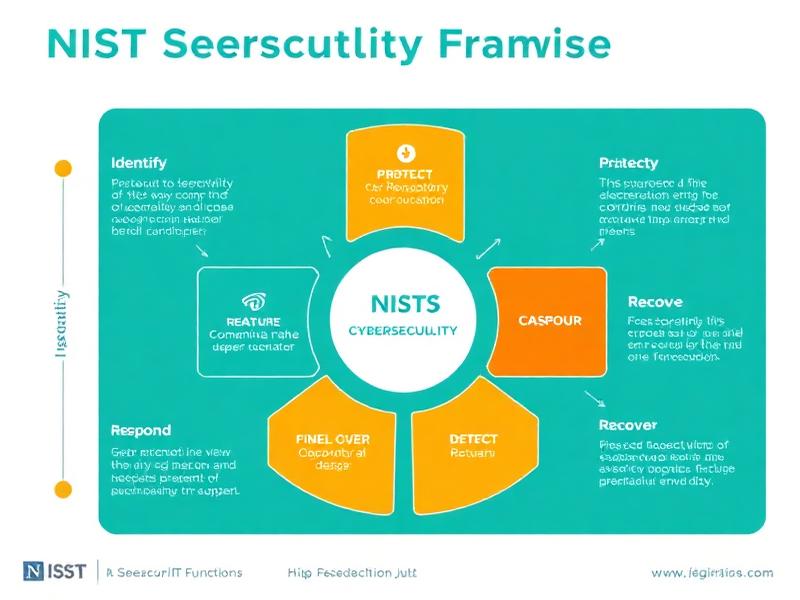
Ready for a little cybersecurity-induced panic? Good, because today we're talking about the National Institute of Standards and Technology (NIST) and its almighty cybersecurity framework. The NIST framework is the gold standard for cybersecurity in the U.S., setting the guidelines for organizations to manage and reduce cybersecurity risks. It's like the "10 Commandments" for keeping your data safe, except there are five core functions instead of ten, and no stone tablets (sorry to disappoint).
But-before you dive into the warm and fuzzy world of NIST compliance-there are some serious challenges you'll face when trying to implement this framework. Let's explore what NIST is, why it matters, and what hurdles U.S. organizations are up against when trying to meet its standards.
A Quick Scare: What Happens If You Don't Follow NIST
Imagine this: You run a business that stores customer data, processes payments, and has a ton of employees working remotely (thanks, pandemic). You think your cybersecurity is solid-after all, you've got firewalls, some basic encryption, and that one guy in IT who insists on using Linux. Then, bam! You get hit with a ransomware attack. Not only is your data locked up, but your customer info is for sale on the dark web faster than you can say "cyber breach." Now the regulators are asking if you were following NIST's guidelines, and guess what? You weren't.
Cue the lawsuits, the loss of customers, and the absolute nightmare of recovering from a cyber incident that could have been prevented. Scared yet? You should be. Because cybersecurity is no joke, and NIST's framework is here to help-or at least to try.
What the Heck Is NIST?
Let's break it down for you. The National Institute of Standards and Technology (NIST) created a cybersecurity framework that's designed to help organizations manage and reduce their cybersecurity risks. Originally developed in 2014 and updated in 2018, this framework is voluntary (but who are we kidding, if you work with the government, it's mandatory). It's also become the de facto blueprint for organizations across sectors looking to step up their cybersecurity game.
The framework is built around five core functions:
- Identify: Know your risks, assets, and vulnerabilities. It's basically taking inventory of everything you've got that could be targeted.
- Protect: Put the shields up-encryption, access control, firewalls, the works.
- Detect: Implement tools to identify when someone's trying to mess with your stuff. Think of it like a digital motion sensor.
- Respond: Have a plan for when (not if) an attack happens. Know who to call, what to do, and how to mitigate the damage.
- Recover: After you've been breached, you need a strategy to get back on your feet. This could involve restoring data, updating policies, or crying softly in the server room.
Each of these functions is further broken down into categories and subcategories, which makes the framework incredibly comprehensive-and, let's face it, a bit overwhelming.
The Challenges in Complying with the NIST Cybersecurity Framework
Now that we've got the basics down, let's talk about the real problem: actually complying with NIST. Sure, the framework is great in theory, but in practice? It's a beast. Here's where most organizations hit some major roadblocks.
Resource Allocation (a.k.a. $$$ Problems)
Implementing NIST's framework can be expensive. Small to medium-sized businesses (SMBs), in particular, struggle with this because the framework's guidelines often require investments in things like advanced monitoring tools, incident response teams, and continuous security training. If you don't have a cybersecurity budget that looks like Elon Musk's bank account, good luck. NIST compliance isn't cheap, and getting the necessary resources-financial, technological, or human-can be a serious hurdle.
Keeping Up with the Constantly Changing Cyber Threat Landscape
NIST gives you the guidelines, but it doesn't come with a magic crystal ball to predict the next major cybersecurity threat. Implementing the framework is one thing, but keeping it up to date with the ever-evolving world of cyber threats? That's a whole other challenge. Businesses often find themselves playing whack-a-mole with new threats, struggling to keep their security protocols relevant. If you're using last year's cybersecurity plan in this year's ransomware-filled world, you're already behind.
Complexity and Overwhelm
Let's be real: The NIST framework is a lot to take in. It's comprehensive, detailed, and requires a solid understanding of cybersecurity practices. If your organization doesn't already have a dedicated security team (and no, your cousin who "knows a bit about computers" doesn't count), you're likely to feel overwhelmed. The sheer amount of categories and subcategories in the framework can paralyze businesses into thinking, "Where do we even start?"
Human Error: The Eternal Achilles' Heel
Here's the fun part: Even if you implement all of NIST's recommendations to the letter, humans will still mess it up. Whether it's your employees falling for phishing scams, failing to update passwords, or accidentally leaving sensitive data exposed-people are often the weakest link in cybersecurity. Training your team to follow NIST guidelines is crucial, but it's also one of the hardest aspects of compliance. Employees are people, and people make mistakes. (Remember: Karen in accounting still thinks "password123" is secure.)
Balancing Security with Usability
There's a fine line between making your system secure and making it unusable. Some organizations go overboard trying to follow every NIST recommendation, resulting in security protocols that frustrate employees and clients alike. If it takes 20 minutes and three types of encryption just to log in, people will find ways around your security-thus defeating the entire purpose.
Why NIST Compliance Is Important
So, why should you go through all this trouble? Simple: NIST compliance helps protect your organization from costly breaches and ensures you can continue doing business with partners (especially government agencies) that require it. It's also a way of demonstrating that you're serious about cybersecurity, which can enhance your reputation and make customers more comfortable trusting you with their data.
As former NIST director Patrick Gallagher once said, "The cybersecurity framework is not about whether you will be attacked, but how you will be prepared when you are."
Plus, compliance with NIST's guidelines gives you a structured approach to cybersecurity. Instead of flying by the seat of your pants when a breach occurs, you'll have a plan in place. Sure, you'll still want to panic a little, but at least you won't be running around trying to figure out how to stop the bleeding.
How to Make NIST Compliance Suck Less
Okay, compliance is tough. But it's not impossible. Here's how to get through it without losing your mind:
Start Small and Scale Up
You don't have to implement the entire framework in one go. Start with the basics: Identify your biggest risks and focus on protecting those first. Then gradually build your compliance as resources allow.
Leverage Automation
Automation tools can make a world of difference when it comes to monitoring, detecting threats, and responding to incidents. By automating some of the heavy lifting, you free up your human resources for more strategic work (like figuring out how to stop Karen from using "password123" again).
Get Your Team on Board
Cybersecurity is a team sport. Everyone in your organization-from the C-suite to the intern-needs to be involved. Regular security training is a must, and employees should understand the importance of following the protocols you've put in place.
Work with Experts
If NIST compliance feels too overwhelming, get outside help. Managed security service providers (MSSPs) can assist in developing and implementing a cybersecurity plan that aligns with the NIST framework. Yes, it costs money, but consider it an investment in not getting hacked.
NIST Compliance-Hard, but Worth It!
The NIST cybersecurity framework is the standard for a reason. Yes, complying with it is challenging (and yes, it might give you a few headaches along the way), but the protection it offers is invaluable. With cyber threats evolving faster than ever, having a clear, structured approach to managing your risks is essential.
The bottom line? If you're serious about cybersecurity-and you should be-NIST is the framework you need. Embrace the challenge, take it step by step, and before you know it, you'll be standing tall, knowing you've done everything you can to keep the bad guys out. And isn't that what it's all about?
Sources:
- Gallagher, Patrick. NIST's Cybersecurity Framework and Its Role in Securing the Future.
- Cybersecurity Challenges: Implementing the NIST Framework in Small and Medium-Sized Businesses.
- National Institute of Standards and Technology: Cybersecurity Framework V1.1
Cat K. is the kind of tech wizard who can debug code with one hand while wrangling a herd of dogs with the other. With over 20 years in IT and a knack for making cybersecurity less spooky, she's been known to tackle everything from full-stack development to creating tech that looks as cool as it is functional. When she's not busy fending off cybercriminals or dreaming up innovative solutions at ZORASAFE, she's probably reminiscing about the glory days of flip phones or learning yet another programming language (just for fun). Want to talk shop, swap stories, or just share a laugh? She's your person. Check out ZORASAFE to see what she's building next!