

Deepfake Celebs, Fake 'Friends' & Real Money Losses: Welcome to Scam Culture 2.0
Imagine receiving a chilling call from your child, their voice raspy with panic, claiming they've been in a horrific car accident and desperately need money wired immediately. Every fiber of your being screams to help them. Or perhaps you scroll past a slick, professionally produced video of a beloved celebrity, someone you've admired for years, passionately endorsing a groundbreaking, high-return cryptocurrency investment that promises to change your life. Your heart races; finally, a chance at financial freedom, vouched for by a trusted icon. You might not pause to consider if this is real. You might not realize that the distressed voice is an AI-generated clone, or the charismatic celebrity is a meticulously crafted deepfake.
According to a shocking report from the Federal Trade Commission (FTC), consumers lost over $10 billion to fraud in 2023, a staggering increase from previous years. A significant portion of these losses can be attributed to impersonation scams, often leveraging the rapidly advancing capabilities of artificial intelligence. This isn't the Nigeria Prince of yesteryear, asking for help with rudimentary English and obvious grammatical errors. No, friends, we've entered Scam Culture 2.0, an era where deception is hyper-realistic, hyper-personalized, and powered by synthetic media. Deepfakes have evolved from a niche novelty to a potent weapon in economic warfare, turning fictional characters into vehicles for very real financial devastation. Your trusted celebrity, a familiar voice, or even a seemingly legitimate business contact could be an AI-generated illusion, meticulously crafted to lure you into a digital trap.
This isn't just about isolated incidents; it's a systemic shift in how fraud operates, making deception more pervasive and harder to detect. From individuals losing life savings to businesses facing sophisticated supply chain attacks, the stakes have never been higher. This blog post will peel back the layers of Scam Culture 2.0, exploring the unsettling realities of deepfake technology, the psychology behind these modern cons, and, most importantly, how you can protect yourself in this increasingly blurred digital world.
The Rise of Impersonation: When AI Becomes Your Worst Enemy
The core of Scam Culture 2.0 lies in its unparalleled ability to convincingly impersonate. Gone are the days when a poorly photoshopped image or a robotic text-to-speech voice would raise immediate red flags. Today's AI-powered deepfakes can generate hyper-realistic audio, video, and even text that mirrors genuine human interaction, blurring the lines between reality and fabrication.
The Deepfake Arms Race: From Entertainment to Exploitation
Deepfake technology, initially a niche for creating humorous or controversial video parodies, has matured into a powerful tool for malicious actors. It works by using deep learning algorithms, specifically Generative Adversarial Networks (GANs), to generate synthetic media. These algorithms analyze vast datasets of a person's speech, movements, and facial expressions, then create new content that makes it appear as though the person is saying or doing something they never did. This process involves a "generator" AI that creates the fake content and a "discriminator" AI that tries to distinguish between real and fake. Through this adversarial process, the generator becomes incredibly adept at producing highly convincing fakes.
"The speed and quality of deepfake generation are improving at an alarming rate," explains Dr. Anya Sharma, a leading AI ethics researcher. "What once required significant computational power and expert knowledge can now be achieved with relatively accessible tools, democratizing deception for anyone with ill intent. This rapid advancement means that the ‘cost’ of creating a convincing deepfake has plummeted, opening the floodgates for opportunistic criminals."
The implications are profound. We’re no longer just dealing with fake news spreads; we're contending with an entire ecosystem of fake reality.
- Synthetic Celebrity Endorsements: Imagine "AI Elon Musk" appearing in a slick video, promoting a cryptic cryptocurrency investment platform promising astronomical returns. Or an "AI Oprah" with her signature warmth, advocating for a dubious financial freedom program. These aren't just one-off events; they're becoming increasingly common. Millions are lost before regulatory bodies or social media platforms can even begin to pull down these sophisticated fictions. These aren't pranks; they're calculated financial weapons. The visual authority conferred by a celebrity, even a synthetic one, can bypass critical thinking in many individuals who assume, perhaps naively, that "if they're promoting it, it must be legitimate."
- Voice Clones in Crisis: A scammer calls, the voice on the other end is identical to your child, parent, or spouse, pleading for urgent financial help due to a supposed emergency. They might claim to be in an accident, arrested, or stranded. The emotional manipulation is potent, designed to bypass rational thought, and the urgency often prevents victims from verifying the story. Recent reports indicate a surge in grandparent scams utilizing voice cloning, where elderly individuals are targeted with urgent pleas from their "grandchildren." The sheer emotional impact of hearing a loved one's voice, in distress, can override all common sense and lead to immediate action. This tactic plays directly into our protective instincts.
- Video Conference Impersonations: In the corporate world, deepfakes are escalating the threat of Business Email Compromise (BEC) and other social engineering attacks. Imagine a CEO's deepfake appearing in a video conference, instructing a finance team to urgently wire funds to an unfamiliar account. Or a senior executive’s voice clone authorizing a significant data transfer. The visual and auditory cues are so convincing that traditional verification methods might fail. This is particularly insidious as corporate teams are often under pressure, and a deepfake of a high-ranking official leverages power dynamics to bypass normal procedures.
Caption: A deepfake rendition of a famous celebrity promoting a fraudulent investment scheme. The subtle AI artifacts are almost imperceptible to the untrained eye, making detection incredibly difficult for the average person.
Statistics That Shock: The Financial and Human Cost
The scale of this problem is staggering and directly impacts individual lives and the global economy:
- FTC Data (2023): Consumers reported losing over $10 billion to fraud in 2023, with investment scams (often featuring celebrity endorsements) and imposter scams accounting for the largest losses. This figure represents a harrowing reality for millions of people.
- Cybersecurity Ventures: Estimates that cybercrime will cost the world $10.5 trillion annually by 2025, with AI-powered social engineering playing a significant role in this surge. This isn't just about individuals; it's about national security and economic stability.
- Identity Theft Resource Center (ITRC): A 2023 report found a significant increase in victims reporting deepfake-related scams, particularly those involving voice cloning for financial extortion or identity theft. The ITRC notes a disturbing trend where deepfakes are used not just for outright fraud, but also for gathering personal information for future identity theft.
- FBI Internet Crime Complaint Center (IC3): Reports a continuous rise in BEC (Business Email Compromise) incidents, with deepfake voice and video emerging as a new vector to bypass traditional verification methods, leading to multi-million dollar corporate losses. The FBI warns that sophisticated deepfake technology is increasingly being used to trick employees into making fraudulent wire transfers or revealing sensitive financial data.
These figures aren't just numbers on a statistic sheet; they represent shattered lives, depleted savings, ruined businesses, and a growing erosion of trust in the digital interactions that underpin our modern world. When the very fabric of visual and auditory reality can be manipulated, the foundation of our digital trust begins to crumble.
The Psychology of Deception: Why We Fall for It
Scam Culture 2.0 thrives not just on technological sophistication but also on a deep understanding of human psychology. Scammers exploit our inherent biases, emotional vulnerabilities, and cognitive shortcuts to bypass our skepticism, often with chilling precision.
Trust, Authority, and Urgency: The Manipulator's Toolkit
- Authority Bias: We are conditioned, often from a young age, to trust figures of authority – celebrities, CEOs, government officials, or even just individuals portrayed as experts. When an "AI Elon Musk" promotes an investment, the perceived authority lends credibility that a random anonymous scammer could never achieve. We automatically assign a higher level of trustworthiness to voices and faces that we recognize and respect. This psychological shortcut is incredibly difficult to overcome, especially when the deepfake is visually and audibly convincing. This is why tactics like AI Pranks, Real 911 Calls: Why "Just Joking" With Deepfakes Can Get People Hurt are not just frivolous; they chip away at our ability to discern genuine urgent calls from fabricated ones, desensitizing us to critical verification.
- Familiarity and Likeability: We are more likely to trust people we perceive as familiar or likeable. A deepfake of a beloved celebrity or a trusted friend leverages this. The positive emotions and established rapport associated with that person are subtly transferred to the fraudulent message, lowering our guard and making us more receptive to their demands or suggestions. Our brains are wired to favor the familiar, making us less critical of information presented by someone we "know."
- Urgency and Scarcity: Modern scams are almost always infused with a sense of extreme urgency. "Act now, this offer won't last!" or "Wire the money immediately, or consequences will be dire!" This creates a pressure cooker environment where victims have little time to think critically, consult with others, or seek external advice. Our brains, when faced with perceived immediate danger or opportunity, tend to react emotionally rather than logically, often leading to impulsive decisions we later regret. The scammer knows that a moment of reflection could be their downfall, so they deny it to the victim.
- Fear and Greed: These two powerful motivators are consistently exploited because they tap into our most primal desires and anxieties. Fear of missing out on a once-in-a-lifetime opportunity drives many investment scams, playing on our desire for financial betterment. Fear for a loved one's safety, fear of legal repercussions, or fear of public humiliation fuels emergency imposter scams. Scammers are master manipulators of these primal emotions, understanding that when emotions run high, rational defenses run low.
Cognitive Overload and Information Fatigue: A Digital Weakness
In our hyper-connected world, we are bombarded with an unprecedented volume of information. This constant influx can lead to cognitive overload, a state where our brains struggle to process and filter incoming data effectively. When we are in this state, we become more susceptible to simplified, emotionally charged messages, especially when they come from a seemingly credible source. Distinguishing between genuine and fabricated content requires mental effort, and when we are tired, stressed, or distracted, we tend to default to believing what we see and hear.
The sheer volume of digital content makes it harder to spot the anomalies. Our attention spans are fragmented, and our critical thinking muscles are often fatigued by the relentless stream of news, social media, and communication. Scammers leverage this by creating content that exploits these fatigued states, slipping past our weakened defenses.
Caption: An illustration depicting a person overwhelmed by digital information, highlighting how cognitive overload makes individuals vulnerable to sophisticated scams by reducing their ability to critically evaluate incoming data.
The Evolving Threat Landscape: Beyond Deepfakes
While deepfakes are a prominent, often sensational feature of Scam Culture 2.0, they are part of a broader, more sophisticated threat landscape. The truth is, AI is now a component in 1 out of 6 cyber incidents, fundamentally changing the nature of attacks beyond just creating fake content. It's about automating, scaling, and refining deception to an unprecedented degree.
AI in Phishing and Social Engineering: Automating Deception
Generative AI, particularly large language models (LLMs) like GPT-4, has supercharged traditional phishing and social engineering efforts:
- Hyper-Personalized Phishing: AI can craft incredibly convincing and grammatically perfect phishing emails, text messages, or chat conversations, tailored to individual recipients. It can analyze public social media profiles (e.g., LinkedIn, Facebook) or corporate websites to scavenge information, then use it to personalize messages, mimicking the writing style of colleagues or crafting highly relevant pretexts. This shifts the paradigm from generic "spray-and-pray" phishing to highly individualized, scalable attacks that are much harder to detect. An email that perfectly references a recent company event or a shared interest immediately feels more legitimate.
- Convincing Chatbot Scams: Scammers are deploying AI-powered chatbots to engage victims in prolonged conversations, building rapport, extracting information, and subtly guiding them toward the scam. These chatbots can answer questions, mimic human empathy, adapt their responses, and keep victims engaged for hours or days, leading them down a rabbit hole of deception – a far cry from the rudimentary chatbots of yesteryear. They can maintain believable conversations for far longer than a human scammer could, widening the net of potential victims.
- Automated Malicious Content Generation: AI can assist in generating malicious code, creating spear-phishing templates, or even finding vulnerabilities in systems. This includes creating sophisticated malware or crafting payloads for supply chain attacks, as detailed in articles like The AI App You Trust Might Be Running Someone Else's Code: Inside Model Namespace Attacks. The threat isn't just external; it can be embedded in the very software you rely upon, making it significantly harder to detect and mitigate. This represents a foundational shift in how cyberattacks are constructed and executed.
The Dark Side of Recommendation Engines and Algorithmic Manipulation
Even seemingly innocuous technologies can be weaponized. Scammers understand how algorithms work and exploit them to spread their fraudulent schemes. For example, they might manipulate trending topics or search engine optimization (SEO) to push their deepfake-promoted investment scams to the top of search results or social media feeds. This creates a dangerous feedback loop where widely shared fake content gains apparent legitimacy simply by its visibility and perceived popularity. They flood platforms with synthetic engagement (likes, shares, comments from bot accounts) to trick algorithms into promoting their scams, pushing them to a wider, unsuspecting audience.
For more insights into how AI is becoming an integral part of malicious activities, altering the entire threat landscape and posing new challenges for cybersecurity professionals, consider delving into AI Is Now in 1 Out of 6 Cyber Incidents: Here's What That Actually Looks Like in Real Life. This article provides a comprehensive overview of AI's diverse role in modern cyberattacks.
Protecting Yourself in Scam Culture 2.0: A Multi-Layered Approach
Given the unprecedented sophistication of modern scams, individual awareness and skepticism are no longer sufficient on their own. We need a comprehensive, multi-layered approach that combines heightened personal vigilance with robust technological safeguards and a critical, informed mindset. This requires continuous education and proactive steps.
Verify, Verify, Verify: Your First and Most Crucial Line of Defense
Independent verification is no longer an optional step; it is paramount. It’s the single most effective way to safeguard yourself against the illusions of Scam Culture 2.0.
- Independent Verification for Urgent Requests: If you receive an urgent request for money, personal information, or a sudden change in business procedures from a friend, family member, or colleague (especially via an unusual channel like a direct message on social media, an unfamiliar phone number, or an unexpected email), DO NOT respond directly to that message or number. This is the scammer's trap. Instead, use a known, trusted method to contact them.
- For family/friends: Call them on a phone number you already have saved for them, or speak to them in person. Ask a security question only they would know.
- For colleagues/employers: Call them on their official office line, send an email to their verified corporate address (not by replying to the suspicious email), or reach out on an internal communication platform (e.g., Slack, Teams). Never reply directly to the suspicious email or call the number provided in it.
- Scrutinize the Source: Exercise extreme caution and look for anomalies.
- Email: Always check the sender's full email address, not just the display name. Look for subtle misspellings (e.g.,
support@amaz0n.comvs.support@amazon.com,john.doe@companey.comvs.john.doe@company.com). Hover over links before clicking to reveal the true URL destination. - Text Messages: Be highly wary of links in unsolicited texts. Never click them. Legitimate organizations rarely send critical information or requests via random text links.
- Videos/Audio Calls: Deepfakes, while advanced, often have tells. Look for inconsistencies:
- Lip-sync errors: Does the mouth movement perfectly match the audio? Is the speech slightly out of sync?
- Unnatural blinking or facial expressions: Deepfakes often struggle with subtle human nuances, leading to robotic expressions, lack of blinking, or strange eye movements.
- Lighting inconsistencies: Does the lighting on the face or person match the background lighting? Are there strange shadows or unlit areas?
- Grainy or low-quality video: Sometimes used deliberately to mask deepfake imperfections, claiming "poor connection."
- Unusual speech patterns: Does the voice sound slightly off, too perfect, robotic at times, or have an unusual cadence or inflexion that doesn’t quite match the real person?
- Email: Always check the sender's full email address, not just the display name. Look for subtle misspellings (e.g.,
- Question the Narrative: Develop a healthy skepticism for anything that seems too good (or too bad) to be true.
- Is it too good to be true? Investment scams promising guaranteed high returns, quick riches, or "secret formulas" are always red flags. If it sounds almost miraculous, it's a scam.
- Is it creating extreme urgency or fear? Scammers thrive on panic because it short-circuits rational thought. Any message that demands immediate action without time for verification is suspicious.
- Are they asking for payment in unusual forms? Gift cards, cryptocurrency, pre-loaded debit cards, or wire transfers to overseas accounts are common scam payment methods because they are often untraceable. Legitimate businesses and government agencies typically do not request payment in this manner.
Technological Safeguards You MUST Employ: Your Digital Armor
Personal vigilance must be complemented by robust technological defenses. These are the foundational elements of modern cybersecurity.
- Strong, Unique Passwords and Multi-Factor Authentication (MFA): This is non-negotiable. Even if your login credentials are compromised through a phishing attempt, MFA (using an authenticator app like Google Authenticator or Authy, NOT SMS, which can be vulnerable to SIM swapping) provides a critical second layer of defense. It prevents unauthorized access even if your password is stolen.
- Antivirus and Anti-Malware Software: Keep your devices (computers, smartphones) protected with reputable, up-to-date security software. It can detect and block malicious websites, phishing attempts, downloads of malware, and other cyber threats. Regularly performing full system scans is essential.
- Software Updates: Regularly update your operating systems (Windows, macOS, iOS, Android), applications, and web browsers. These updates often include critical security patches against newly discovered vulnerabilities that scammers could exploit. Enabling automatic updates ensures you always have the latest protections.
- Ad-Blockers and Browser Extensions (with caution): Reputable ad-blockers can prevent malicious ads that lead to scam sites. Some browser extensions can help block known malicious scripts or provide warnings about suspicious websites. However, be cautious about which extensions you install, as some can introduce their own vulnerabilities. Stick to trusted developers.
- Deepfake Detection Tools (Emerging but Promising): While still in their infancy and not yet foolproof, new tools are being developed to help detect AI-generated content. Keep an eye on advancements in this space, as these could become a crucial part of future defenses. Currently, manual vigilance combined with a critical eye remains the most effective.
Caption: An infographic illustrating the multi-layered approach to cybersecurity, emphasizing the integration of personal vigilance, technology, and critical thinking as interdependent components of robust defense.
Protecting Your Personal Information: Starving the Scammers
Remember, scammers use your publicly available information to craft personalized attacks. Limiting their access to your data makes their job harder.
- Review Social Media Privacy Settings: Aggressively limit who can see your posts, photos, personal details, and friend lists. The less information criminals have to build a profile for impersonation or to craft a targeted phishing message, the harder it is for them to impersonate you or your loved ones. Avoid sharing real-time travel plans or intimate personal details online.
- Be Wary of Sharing Personal Data Online: Think twice before filling out quizzes ("What's your pirate name?" or "Which Hogwarts house are you?"), surveys, or sharing extensive details about your life story, family members, pets, routines, or past addresses. These seemingly harmless activities can be data-mining operations for security questions or social engineering pretexts.
- Educate Loved Ones: Share this knowledge, particularly with elderly family members who are often prime targets for imposter scams. A simple conversation about verification methods can save them from significant financial and emotional distress.
Financial Prudence and Reporting: Your Safety Net
Even with the best defenses, a scam might slip through. Knowing how to react and whom to report to is vital.
- Be Skeptical of Unsolicited Investment Opportunities: Especially those promoted by "celebrities" or through social media. Always conduct thorough independent research. Check with certified financial advisors and reputable, government-regulated financial institutions. If an investment scheme offers unusually high returns with little or no risk, it's almost certainly a scam.
- Know Your Bank's Policies: Understand how your bank handles suspected fraud and what steps you can take if you believe you’ve been scammed or if your account has been compromised. Familiarize yourself with their fraud reporting hotlines and procedures before an incident occurs.
- Report Scams: If you encounter a scam or, unfortunately, fall victim to one, report it immediately to the relevant authorities (e.g., FTC, FBI’s Internet Crime Complaint Center IC3, local law enforcement). While you may not always recover losses, reporting helps authorities track criminal networks, identify trends, shut down fraudulent operations, and protect others. Many platforms (Facebook, Instagram, YouTube, TikTok) also offer direct reporting mechanisms for deepfakes and fraudulent content. It's crucial to report, even if it feels embarrassing; you're contributing to the collective defense against these criminals.
This comprehensive approach is crucial for navigating the murky waters of Scam Culture 2.0. Staying informed and proactive is your best defense. For guidance on staying vigilant and reflecting on your digital safety, check out resources like Click with Confidence: ZoraSafe's Monthly Safety Reflection. Regular self-assessment of your digital habits can significantly reduce your vulnerability.
The Future of Deception: What Comes Next?
The evolution of Scam Culture 2.0 is relentlessly dynamic. As detection methods improve, so too will the ingenuity and sophistication of malicious AI. We must anticipate and prepare for the next iteration of these threats.
- Real-time Deepfakes and Synthetic Interactions: Imagine live deepfake video calls where scammers can impersonate someone in real-time, adapting their voice and appearance on the fly during a conversation. This would make verification significantly harder and require new authentication methods entirely. Consider the implications for customer service, telemedicine, or even official governmental communications.
- AI-Generated Identities and Long-Term Manipulation: Entire fake personas, complete with convincing online histories, social media presence, and even AI-written content, could be used to build long-term trust for advanced social engineering schemes. These "synthetic people" could interact with victims for months or years before unveiling their true, malicious intent, making detection extremely difficult. This shifts from single-incident scams to elaborate, long-form manipulation.
- Deepfakes in Political Disinformation and Hybrid Warfare: Beyond financial scams, the ability of deepfakes to manipulate public opinion, spread propaganda, and create political chaos remains a significant concern. Fabricated speeches from world leaders, staged conflicts, or hyper-realistic videos designed to incite unrest could destabilize nations. This highlights the broad societal impact of this technology, extending far beyond economic fraud.
- Automated Reconnaissance and Vulnerability Exploitation: As AI becomes more sophisticated, it will be used to automate the reconnaissance phase of attacks, identifying targets and vulnerabilities at an unprecedented scale and speed. AI could autonomously craft exploits tailored to specific system weaknesses, making attacks more efficient and widespread.
Combating these escalating threats requires a rapid and collaborative effort from tech companies, governments, law enforcement agencies, academic researchers, and ultimately, individuals. Investment in open-source deepfake detection tools, stricter platform governance and content moderation policies, robust international cooperation, and ongoing public education will be vital. The cybersecurity community must stay several steps ahead, constantly innovating to counter the next wave of AI-powered deception.
Caption: A futuristic interface displaying holographic projections and complex AI algorithms, symbolizing the advanced and integrated nature of future AI-powered deception that will seamlessly blend into our digital lives.
Conclusion: Staying Vigilant in a Synthetic World
Scam Culture 2.0 is not just a passing trend; it's the new and rapidly evolving reality of our digital existence. The days of easily identifiable, grammatically challenged scams are long gone. In their place is a cunning, technologically advanced adversary, powered by AI, capable of wielding the faces and voices of our most trusted figures against us. Whether it's an "AI Taylor Swift" promoting a dubious crypto fund, a manipulated video of a CEO giving a fraudulent order, or a voice clone of a loved one pleading for urgent help, the emotional and financial stakes have never been higher. The very concept of verifiable truth in digital media is increasingly under assault.
The key to survival and security in this synthetic world lies in a blend of informed skepticism, diligent verification, and robust digital hygiene. It's about developing a "zero trust" mindset for unexpected digital interactions and requests, especially those involving money or personal information. The convenience of our connected lives must be balanced with a heightened, constant sense of caution.
Your Action Plan for Navigating Scam Culture 2.0:
- Educate Yourself and Others: Share this crucial knowledge. Discuss deepfake scams, AI-powered phishing, and social engineering tactics with your friends, family, and colleagues. Awareness is the first and most critical step to protection. Make it a regular conversation subject.
- Master the Art of Independent Verification: Before acting on any urgent request – particularly financial ones or those requiring sensitive information – independently verify the source through a known, trusted channel (e.g., calling them back on a known number, using an official email, or reaching out directly via an established, secure communication method). Never use contact information provided in the suspicious message itself.
- Fortify Your Digital Defenses: Implement strong, unique passwords for all accounts. Enable Multi-Factor Authentication (MFA) everywhere it's offered, preferably using an authenticator app. Keep all software, operating systems, and applications meticulously updated. Utilize reputable antivirus and anti-malware tools. Regularly back up your important data.
- Practice Smart Information Sharing: Be highly selective about what personal information you share online, especially on social media. Review privacy settings regularly and assume anything you post could be used by scammers.
- Report, Report, Report: If you encounter or, unfortunately, fall victim to a scam, report it immediately to the relevant authorities (e.g., FTC, FBI’s IC3, local law enforcement) and the platform where you encountered it. Your vigilance and reporting contribute directly to a larger, necessary effort to combat cybercrime and protect potential future victims.
Let's work together to build a more resilient digital community against these advanced threats. By staying informed, remaining vigilant, and adopting proactive cybersecurity practices, we can expose the illusions and protect ourselves and our loved ones from the sophisticated deceptions of Scam Culture 2.0. As the holiday season approaches, remember to be extra cautious about unsolicited online deals and urgent financial requests, especially those related to Holiday Shopping Scams: What to Watch Out For. Don't let your guard down, even in moments of holiday cheer. Your financial security and peace of mind depend on it.
This is not a battle we can afford to lose. Stay safe, stay skeptical, and stay secure.
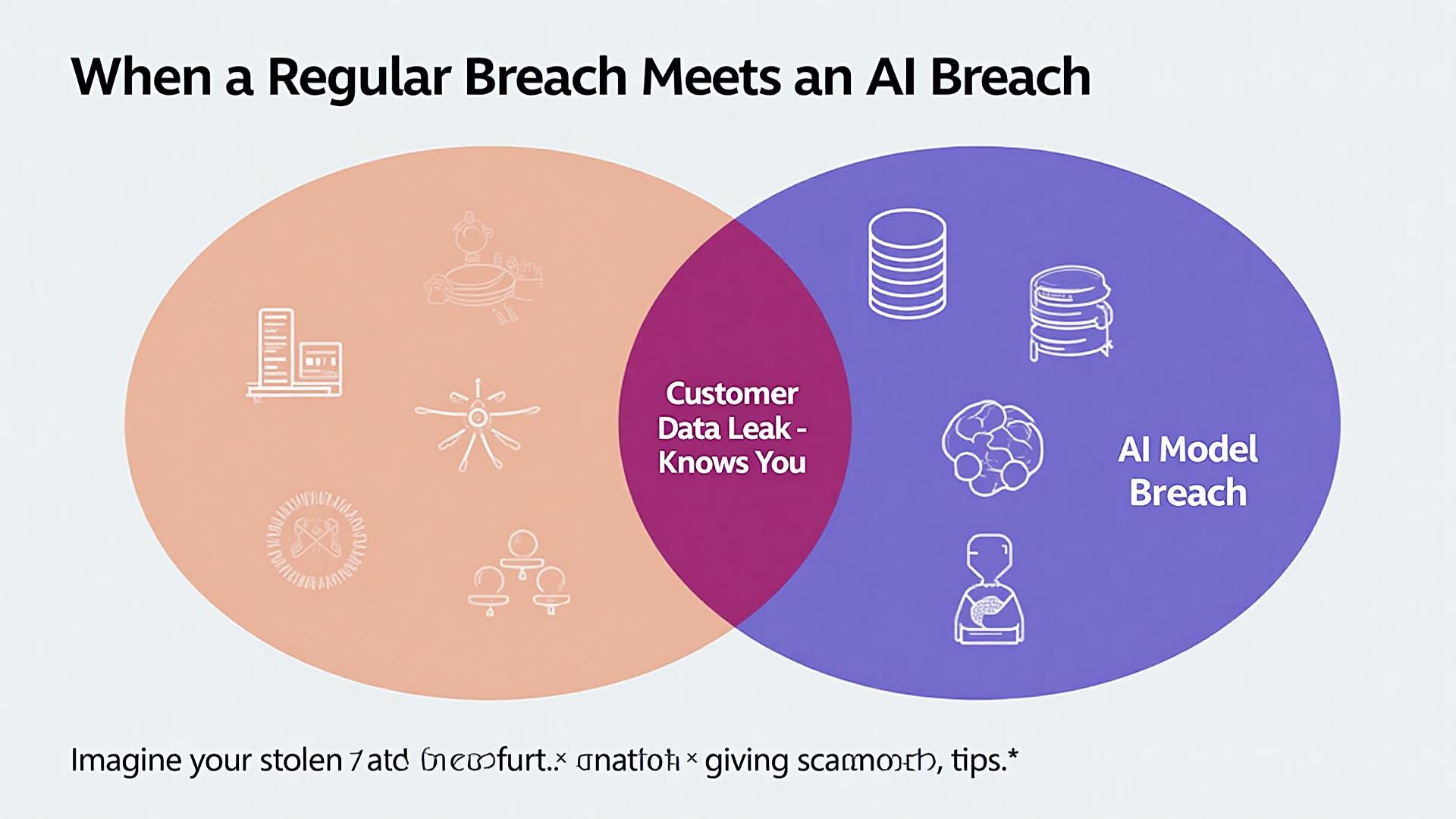
The intersection of deepfakes, celebrity impersonation, and financial fraud.
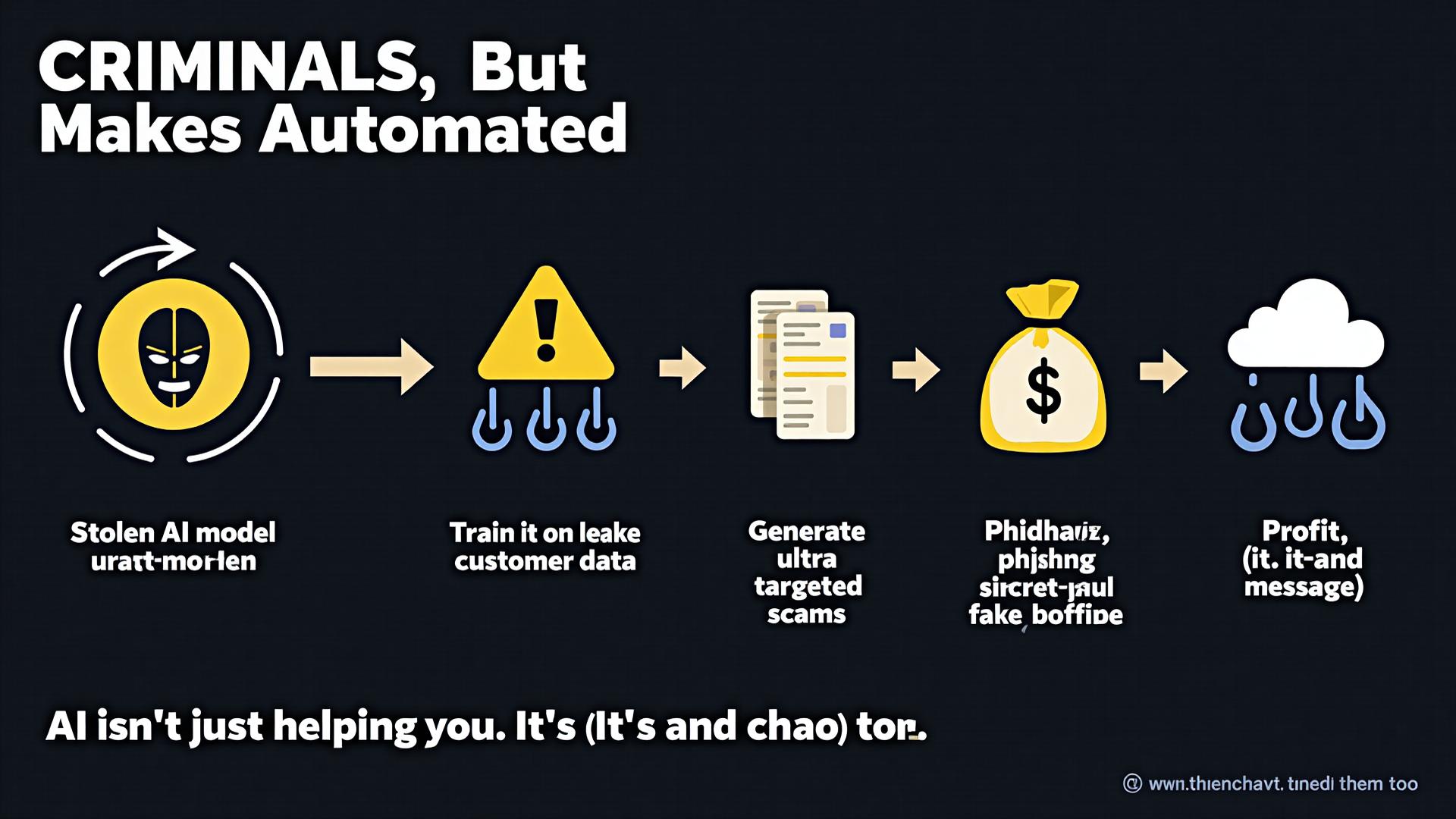
How scammers leverage stolen AI models to create convincing deepfakes.