
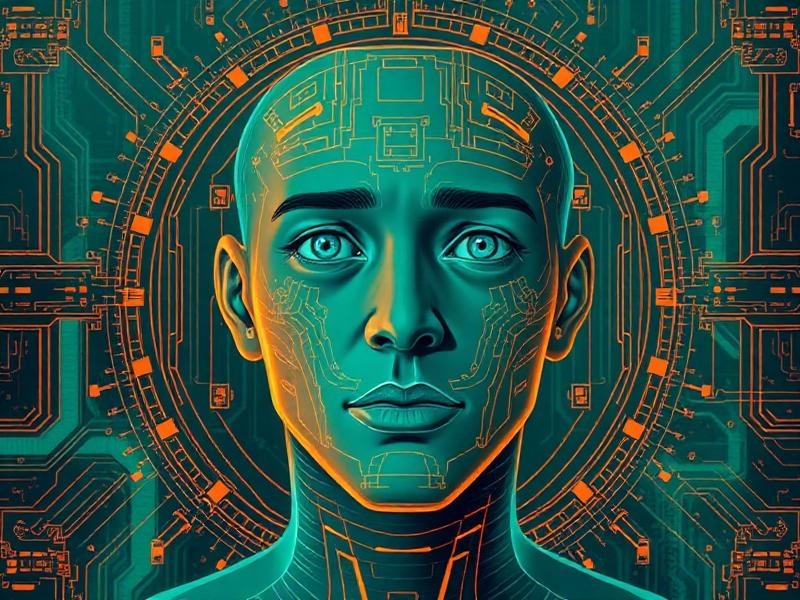
Deepfake technology has evolved from a novelty to a serious cybersecurity threat. This AI-powered technology can create convincing fake audio, video, and images that are increasingly difficult to detect.
What Are Deepfakes?
Deepfakes use artificial intelligence and machine learning to create realistic but fake multimedia content. The technology can:
- Swap faces in videos
- Generate synthetic speech that mimics real voices
- Create entire fake personas
- Manipulate existing content to change context
Current Threats
Financial Fraud: Scammers use deepfake audio to impersonate executives, requesting urgent wire transfers.
Identity Theft: Fake videos can be used to bypass facial recognition security systems.
Social Engineering: Convincing fake content can manipulate public opinion or damage reputations.
Romance Scams: Fake video calls create emotional connections with victims.
Detection and Prevention
- Use multi-factor authentication beyond facial recognition
- Verify important requests through multiple channels
- Look for subtle inconsistencies in audio/video quality
- Stay informed about deepfake detection tools
As this technology becomes more accessible, awareness and prevention strategies become crucial for cybersecurity.