
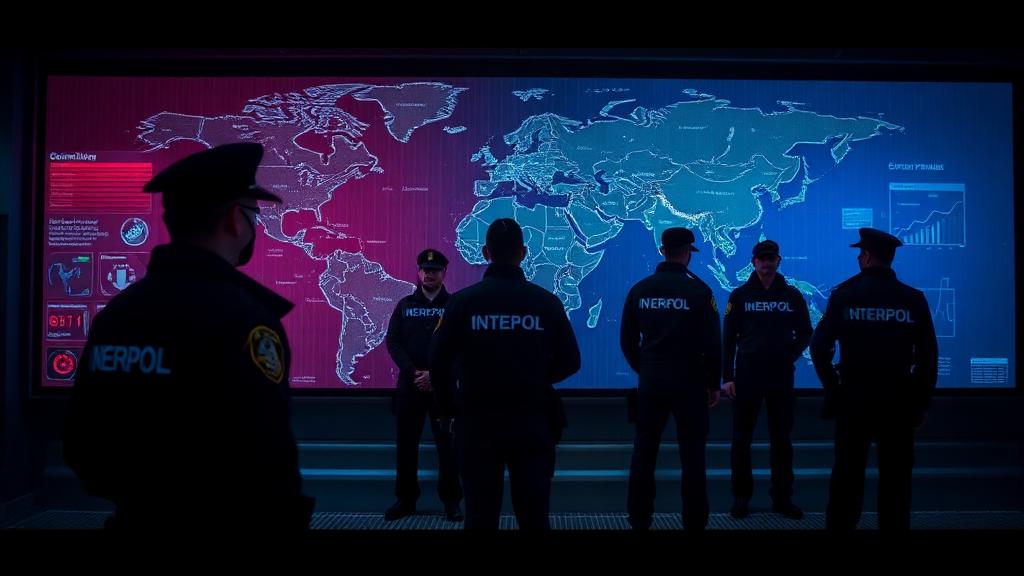
What Interpol Did - The Facts
Interpol led Operation Serengeti 2.0, a cybercrime crackdown across Africa (18 countries + the UK). Key outcomes:
- 1,209 arrests of suspects involved in various cybercrime/fraud operations
- ~$97.4 million recovered, including cash, crypto, bank accounts, and hardware
- 11,432 "malicious infrastructures" dismantled: servers, domains, command‑and‑control servers
- Crimes included: online investment frauds (crypto schemes), inheritance scams, business email compromise (BEC), illegal crypto mining
- Nearly 88,000 victims were identified
Will It Slow the Scams (Especially to Your Phone)?
Short answer: Somewhat - but don't expect phone‑scams to vanish overnight.
| What Might Improve | What Likely Won't Change | What You Should Expect |
|---|---|---|
| Disruption of specific criminal networks, domains, servers used for phone/SMS/crypto frauds | Scammers will reconfigure with new domains, different phone numbers | Scam calls might drop temporarily from specific sources, but new ones likely |
| Increased intelligence sharing between countries; better detection of fraud infrastructure | Phone‑scam tactics use low‑cost systems, often across borders with weak enforcement | Better blocking of "known major sources" eventually, but everyday spam will persist |
| More awareness when big arrests happen, media coverage rises | Trust/suspicion gaps - many people don't verify calls or fall for urgency tactics | You'll still need to be your own first line of defense |
What This Means for Phone Scams
- Known fraud numbers may get blocked/flagged more quickly
- Telecoms might collaborate more with law enforcement to share blacklist data
- Stronger regulations around spoofed caller IDs and phone authentication
- But limitations: many phone scams aren't easily traceable or use rotating numbers
What You Should Do Right Now
Enable Protection
- Turn on spam/scam detection on your phone
- Use call‑blocking apps or carrier spam filter services
Stay Skeptical
- Don't trust Caller ID blindly - it can be spoofed
- Ignore urgent demands over phone/text - scammers thrive on urgency
- Never share sensitive info via unexpected calls/texts
Verify Everything
- If "your bank" calls, hang up and call back using official numbers
- Use two‑factor authentication for important accounts
- Register complaints about scam numbers with your carrier
Monitor Accounts
- Check financial statements regularly for unfamiliar charges
- Watch for small test payments before larger fraud
Bottom Line
Interpol's arrests (1,200+ suspects, $97M+ seized, thousands of infrastructures shut down) are a significant win. They can slow certain scam sources and improve international cooperation.
But phone scams are a game of whack‑a‑mole: knock one down, others pop up.
Your best defense remains: awareness + proactive behaviors. These enforcement operations help clean up major bad actors and should lead to better tools going forward - but they don't replace personal vigilance.
If something feels wrong, it probably is. Trust your instincts.