
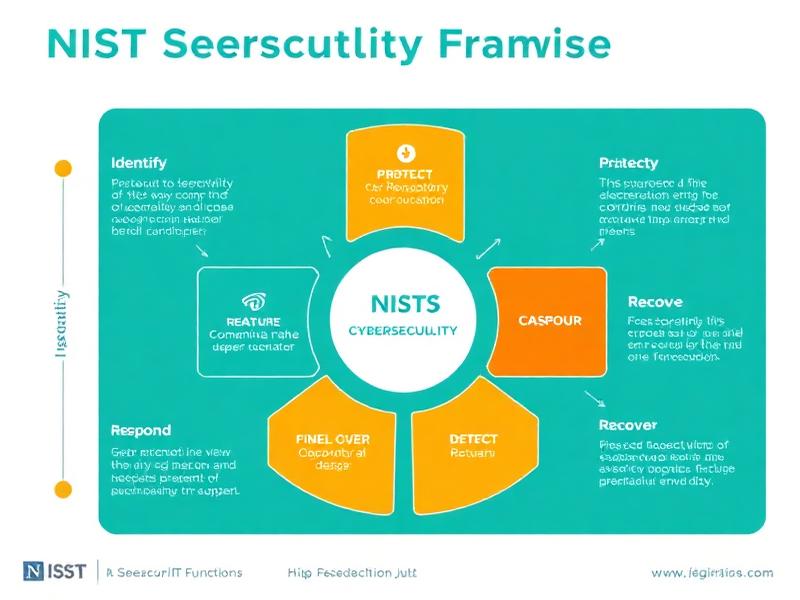
So, you've heard of the NIST Cybersecurity Framework, right? It's like the Swiss Army knife of cybersecurity for U.S. organizations. No matter the size of your business, this framework has a little something for everyone. But, as with all things in life, it's not without its quirks and complications. Whether you're a small startup trying to keep your data safe without blowing your budget, a medium-sized company scaling operations, or a massive corporation swimming in sensitive information, NIST compliance comes with its share of pros and cons.
Let's dive into what small, medium, and large businesses should know about the NIST framework. We'll cover the good, the bad, and the "wait, how much is this going to cost me?" so that you can make an informed decision and (hopefully) avoid any major cybersecurity disasters.
For Small Businesses: Trying to Play in the Big Leagues
The Pros:
Clear Guidance Without Reinventing the Wheel
Small businesses often struggle to figure out where to even begin with cybersecurity. The NIST framework gives you a well-established blueprint that you can follow without hiring a team of cybersecurity wizards. It's like getting a pre-built IKEA desk-just follow the instructions (minus the Allen wrench headaches).
According to NIST's own documentation, "The framework is designed to be adaptable for organizations of any size." So, even if you're running a lean operation with just a few employees, the framework can be scaled down to fit your needs.
Boosting Customer Confidence
Customers care about cybersecurity now more than ever. By following the NIST framework, you can show that you're serious about protecting their data. It's like putting a "We're secure!" badge on your website, which could give you a competitive edge-especially when larger companies get hit with breaches and everyone starts panicking about who they can actually trust with their info.
Government Contracts Require It
If you're a small business that wants to work with the government (or even some larger corporations), NIST compliance isn't just recommended-it's required. Having your ducks in a row with NIST can open up a lot of doors for contracts and partnerships. Don't let a lack of compliance be the reason you miss out on those lucrative government gigs.
The Cons:
It Can Be Costly
Let's be honest: Small businesses don't always have the luxury of massive cybersecurity budgets. Implementing the NIST framework requires more than just good intentions-it requires tools, training, and often third-party expertise. If your cybersecurity budget consists of "free antivirus and crossing your fingers," you might find NIST compliance to be a bit of a financial burden.
Overwhelm Factor
NIST can feel overwhelming for small businesses that don't have a dedicated IT team. With its five core functions (Identify, Protect, Detect, Respond, and Recover), the framework covers a lot of ground. The sheer scope of it can leave small business owners wondering, "Where the heck do I even start?" Without proper guidance, it's easy to get stuck in analysis paralysis.
Time-Consuming to Implement
NIST isn't a "set it and forget it" kind of deal. Implementing the framework takes time-and let's face it, time is something small businesses don't have in abundance. Between running day-to-day operations and keeping customers happy, trying to find the hours to fully implement a cybersecurity strategy can feel like a Herculean task.
For Medium-Sized Businesses: Growing Pains and Scaling Security
The Pros:
Scalable for Growing Operations
As your business grows, so does the complexity of your cybersecurity needs. The beauty of the NIST framework is that it's scalable. You can start small and add layers of security as your business expands. It's like adding extra security cameras around your expanding mansion-one for each new wing.
Improved Incident Response
Medium-sized businesses are often targeted by cybercriminals because they've grown enough to be profitable, but not so big that they have enterprise-level security. The Respond and Recover functions of the NIST framework are game-changers here. By developing a strong incident response plan, you can mitigate the damage of cyberattacks and get back on your feet faster when (not if) something goes wrong.
Meets Industry Standards
NIST isn't just for government work. Many industries-especially healthcare, finance, and energy-have adopted it as the standard for cybersecurity. Being compliant gives you a leg up when negotiating partnerships or seeking investors, as it shows you're not flying by the seat of your pants when it comes to securing your data.
The Cons:
It Requires Expertise
Unlike smaller companies, medium-sized businesses might have an IT team, but that doesn't always mean they're cybersecurity experts. NIST is comprehensive, and implementing it properly often requires hiring or contracting specialists. This adds to the cost and complexity of compliance. It's like knowing how to change a tire but being asked to overhaul the engine.
Increased Complexity with Growth
As your company grows, so do your assets and your risks. The larger you get, the more points of vulnerability you have. While NIST can help you manage these risks, it also means you need to constantly update and adapt your cybersecurity protocols to keep pace. Managing the Identify function alone (tracking all of your assets, risks, and potential threats) can start to feel like spinning plates on sticks.
Compliance Fatigue
You've got other regulations to worry about-GDPR, HIPAA, PCI DSS, and now NIST. Compliance fatigue is a real thing for medium-sized businesses. With all these different standards, it's easy to feel like you're constantly jumping through hoops just to keep up. Balancing NIST compliance with other regulatory requirements can be exhausting.
For Large Businesses: Big Targets, Bigger Responsibilities
The Pros:
Structured Approach to Cybersecurity
For large enterprises, cybersecurity can feel like trying to secure Fort Knox with a skeleton key. There's just so much to protect. The NIST framework offers a structured approach to cybersecurity, helping large businesses organize their security practices into clear, actionable steps. It's like giving your security team a well-defined playbook.
Legal and Reputational Protection
When large companies get breached, the fallout is catastrophic. Think Target, Equifax, or Marriott. Being NIST-compliant helps show that you've done your due diligence. While it might not save you from the fallout of a breach, it can help mitigate the legal consequences and salvage some of your reputation. After all, if you can prove that you were following best practices, it's harder for regulators and the public to come after you with pitchforks.
Collaboration and Communication
Large organizations often struggle with silos-each department does its own thing, which makes cybersecurity a nightmare. The NIST framework encourages collaboration across departments, ensuring that everyone is on the same page when it comes to securing the company's assets. It's like making sure all the security guards know to lock the same doors.
The Cons:
Resource-Heavy
While large companies have bigger budgets, implementing the NIST framework across a sprawling enterprise can be extremely resource-intensive. We're talking financial resources, personnel, and time. And while big companies have bigger pockets, they also have bigger attack surfaces to protect. Every new branch office, server, or cloud account is another potential weak spot.
Bureaucratic Red Tape
Large organizations don't always move quickly, and the NIST framework requires continuous monitoring and updating. But in big businesses, every decision often needs approval from multiple layers of management, which slows down the implementation of new security measures. Imagine trying to get a new firewall approved by a committee of 20 people-yikes.
More Complex Threat Landscape
The bigger the business, the bigger the target. Hackers know that large enterprises have valuable data and deeper pockets, making them prime targets for sophisticated attacks. While the NIST framework can help protect against these threats, staying compliant with the evolving threat landscape requires constant vigilance and adaptation. It's a never-ending game of cybersecurity whack-a-mole.
Final Takeaway: Is NIST Worth It?
So, what's the verdict? The NIST Cybersecurity Framework is undeniably one of the best tools out there for managing cybersecurity risks, no matter the size of your business. But it's not without its challenges. Whether you're a small business looking to take your first steps toward better security, a medium-sized company trying to scale, or a large enterprise with a lot to lose, NIST can offer guidance, structure, and peace of mind.
But be warned: Compliance isn't easy, and it's not cheap. It requires investment-time, money, and expertise. The good news is that this investment pays off in the long run by reducing the likelihood of breaches, protecting your reputation, and opening the door to new opportunities.
So yes, NIST is worth it-but be ready for a bit of a headache along the way. Grab that aspirin.
Sources:
- National Institute of Standards and Technology (NIST): Cybersecurity Framework Version 1.1, 2018.
- U.S. Chamber of Commerce: The NIST Cybersecurity Framework: Key Benefits for Small and Medium-Sized Businesses, 2020.
- National Institute of Standards and Technology (NIST): Small Business Cybersecurity Corner, 2021.
- Cybersecurity and Infrastructure Security Agency (CISA): NIST Cybersecurity Framework Adoption Guidance for Large Enterprises, 2019.
- Forbes: The Cost of a Data Breach 2023: What Businesses Need to Know.
Cat K. is the kind of tech wizard who can debug code with one hand while wrangling a herd of dogs with the other. With over 20 years in IT and a knack for making cybersecurity less spooky, she's been known to tackle everything from full-stack development to creating tech that looks as cool as it is functional. When she's not busy fending off cybercriminals or dreaming up innovative solutions at ZORASAFE, she's probably reminiscing about the glory days of flip phones or learning yet another programming language (just for fun). Want to talk shop, swap stories, or just share a laugh? She's your person. Check out ZORASAFE to see what she's building next!