
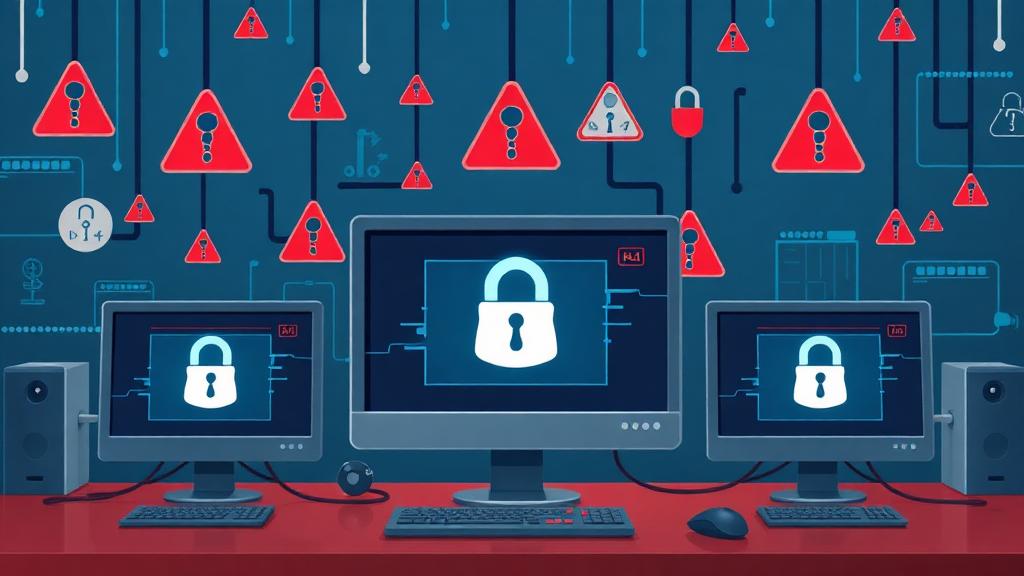
With the U.S. election season in full swing and the ever-present concern of cybersecurity looming, ransomware has once again become a hot topic. While ransomware attacks have become one of the most feared threats in the world of cybersecurity, U.S. authorities have reassured the public that, as of now, no incidents have compromised the integrity of votes. However, as election security remains a focal point, it's essential to understand the potential risks and how these threats are being monitored and mitigated.
In this post, we'll dive into the dangers posed by ransomware, the actions being taken to protect the election process, and what this all means for voters.
What is Ransomware, and Why Does It Matter for Elections?
For those who might not be familiar, ransomware is a type of malware that locks users out of their systems or encrypts their data, demanding a ransom-often in cryptocurrency-in exchange for restoring access. What makes ransomware so devastating is its ability to completely paralyze systems, making it a favorite tool among cybercriminals looking to target critical infrastructure, businesses, and even local governments.
So why does this matter for elections? Because the election process-just like many other modern systems-is increasingly digital. From voter registration databases to the systems that manage election results, there are a number of digital touchpoints that, if compromised, could cause chaos on Election Day.
A well-timed ransomware attack could theoretically lock election officials out of voter databases, disrupt reporting of results, or delay the entire election process. While the U.S. election system is decentralized and diverse (which adds layers of protection), the threat of ransomware is enough to make authorities and voters alike anxious.
What Have We Seen So Far?
Let's start with the good news: as of now, U.S. authorities, including the FBI and CISA (Cybersecurity and Infrastructure Security Agency), have not reported any successful ransomware attacks that have compromised voter integrity. While there have been attempts-cybercriminals never miss an opportunity to exploit high-stakes situations-election infrastructure remains largely untouched by ransomware, thanks to careful monitoring and quick action.
However, that doesn't mean the situation is without concern. In the lead-up to previous elections, we've seen local governments and smaller municipal systems fall victim to ransomware attacks. For instance, during the 2020 elections, some municipalities and cities were hit by ransomware, although none of those incidents affected the voting process itself. This highlights a critical issue: while the overall election system remains secure, the peripheral systems, such as those used by local governments, can still be vulnerable.
Why Do Ransomware Attacks Target Election Systems?
Cybercriminals and nation-state actors are increasingly turning to ransomware as a method of causing disruption during elections. The idea is simple: create enough chaos around the election process, and you erode trust in the results.
Let's say ransomware hits a system that reports election results on the night of the election. Even if the votes themselves were unaffected, the delays and uncertainty caused by an attack could be enough to make the public question the outcome. And, as we've learned in recent years, the perception of security is often just as important as the security itself.
Moreover, with the rise of ransomware-as-a-service (RaaS)-where cybercriminals sell or rent ransomware kits to anyone looking to launch an attack-the barrier to entry for these kinds of attacks is lower than ever. That means even smaller, less sophisticated groups can pose a serious threat to election infrastructure.
What Is Being Done to Combat Ransomware in Elections?
The U.S. government has ramped up its efforts to protect the 2024 elections, particularly in the face of ransomware threats. Here's a look at some of the key steps being taken:
CISA's Election Security Initiatives
CISA has been working closely with state and local governments to ensure that election systems are hardened against ransomware attacks. They've issued cyber hygiene services, such as vulnerability scanning and security audits, to help election offices identify potential weaknesses in their systems.
Monitoring and Threat Detection
Federal agencies like the FBI are closely monitoring election-related systems for any signs of unusual activity. Real-time monitoring allows them to respond quickly to any emerging threats and mitigate potential ransomware attacks before they cause significant damage.
Public and Private Sector Collaboration
The U.S. election system is decentralized, meaning that collaboration between the federal government and private sector partners is critical. This collaboration ensures that even smaller, local jurisdictions have access to the tools and resources needed to defend against ransomware attacks.
Decentralization as a Defense
One of the hidden strengths of the U.S. election system is its decentralization. With 50 states, over 3,000 counties, and countless smaller election jurisdictions, there is no single point of failure. Even if one system is hit by ransomware, the rest of the country's election infrastructure would remain operational.
What Can We Do to Protect Against Election-Related Ransomware?
While much of the responsibility for securing election systems falls on government agencies, there are things that voters, local officials, and even businesses can do to help.
Voter Vigilance
Keep an eye out for any suspicious emails or messages related to the election, as cybercriminals often use phishing emails to gain initial access to systems. Don't click on unfamiliar links or download attachments from sources you don't trust.
Election Office Preparedness
For local election officials, staying updated on the latest cybersecurity practices is essential. Apply patches as soon as they're available, and work with CISA and other agencies to conduct regular security audits of election infrastructure.
Cybersecurity Awareness
Whether you're an election worker or an average voter, understanding the basics of cybersecurity-especially the dangers of ransomware-can help protect not only election systems but your own personal data as well.
The Good News So Far
While the threat of ransomware is real, the fact that no attacks have compromised voter integrity is a testament to the vigilance and coordination of U.S. cybersecurity agencies. But the battle isn't over. With each election season comes new threats and more sophisticated attacks. Staying vigilant, prepared, and informed will be key to ensuring that ransomware doesn't hijack our democracy.
The bottom line? As voters, we can feel reassured that ransomware hasn't disrupted our elections, but we should remain aware of the risks. The integrity of our democratic process depends on it.
For more insights on ransomware, cybersecurity, and election threats, check out the World Economic Forum's 2024 Cybersecurity Report.