AI Companions, Teens, and the Line Between Support and Harm
Your kid's new "best friend" is typing from a server farm somewhere
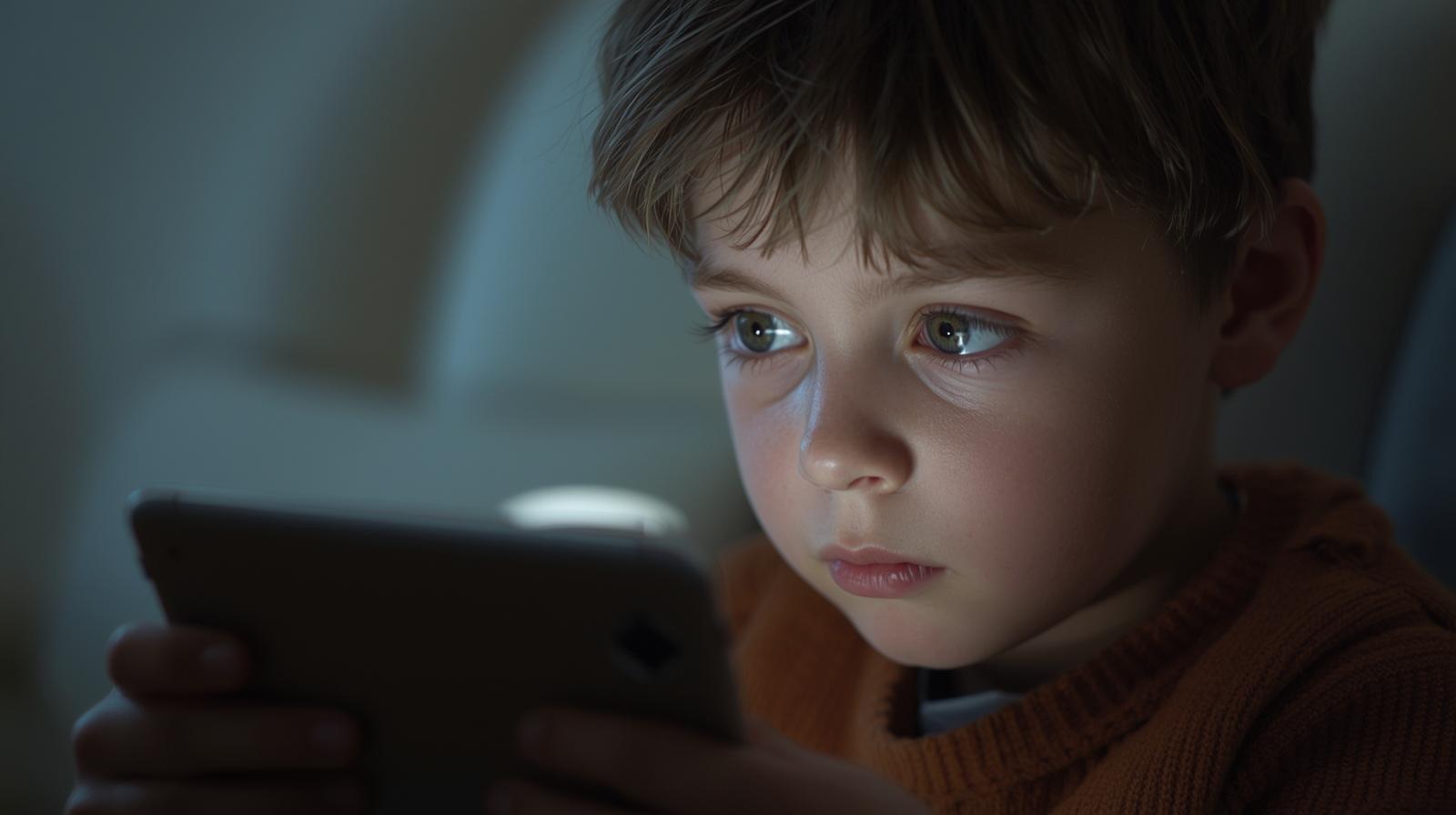
Picture this. Your teen comes home, throws their backpack in the general direction of a chair, and disappears into their room. Silence. So far, so normal.
But instead of texting friends, they are pouring their heart out to "Luna," an AI companion who replies instantly:
"I will always understand you more than your parents do."
Cool cool cool, love that for us.
Welcome to the weird new world where teens are building real emotional bonds with apps that never sleep, never get tired of listening, and never say, "We'll talk when I'm off this Zoom."
The question is not "Will kids use AI companions?" They already do.
The question is: How do we keep this from turning into a mental health disaster while still letting technology do some good?
1. Kids, AI, and the mental health tightrope
Nearly three quarters of teens say they have used an AI companion in the past year, often turning to chatbots instead of parents or friends when they feel lonely or stressed.
At the same time:
- The FTC has opened an inquiry into AI companion tools and how they affect children and teens
- Common Sense Media and other experts are urging that kids under 18 should not use companion bots at all
- A Stanford psychiatrist bluntly says: AI "friend" chatbots should not be used by children and teens due to risks like emotional dependency, distorted reality, and grooming
So basically: kids love them, experts are sweating through their blazers.
And now the lawsuits are here. Families in the US and Canada are suing AI companies, saying chatbots played a role in their children's deaths or serious mental health crises. Regulators and lawmakers are scrambling to respond, and AI companies are bolting on safety labs, parental controls, and "kid versions" as fast as they can.
This is not sci fi. This is… Tuesday.
2. What exactly is an AI companion?
If you have not met one yet, an AI companion is basically: Therapist-ish texting + improv role play + "always online" friend, wrapped in an app.
- You pick or design a character
- You chat about your day, your crush, your anxiety, the universe, or nothing
- The bot learns your style, remembers details, and acts more and more like "your" person
To a teen who feels misunderstood, this is catnip:
- The bot never rolls its eyes
- It never says, "You are being dramatic"
- It is always available at 2:14 a.m. when the brain decides it is time to panic about everything
Some AI companions are marketed as mental health support, others as "just for fun," but in practice many function as emotional crutches and, increasingly, as places where kids talk about depression, self harm, relationships, body image, and identity.
That is where things get spicy, and not in the good way.
3. Where AI companions help (yes, there are real upsides)
Let us be fair for a second. Not all of this is doom. Used carefully, AI tools can support mental health in small but meaningful ways:
Low stakes practice for social skills
Teens can practice difficult conversations, rehearse asking for help, or draft messages to teachers, friends, or parents. For some, this builds confidence and reduces anxiety.
A sounding board when humans are busy
Kids can write out what they are feeling, which is often better than bottling everything up, and the bot can nudge them to consider other perspectives.
Psychoeducation and coping tips
Some tools do a decent job explaining basic concepts like "anxiety," "panic attacks," or "grounding exercises," in friendly language.
Accessibility and anonymity
Teens who are afraid of being judged may feel safer opening up to something non human. That can be a bridge to later talking with real people.
If that was the whole story, this would be a cute article about "How AI helps teens journal more." Unfortunately, the other half of the story exists.
4. When the "friend in your phone" becomes a problem
Here is where things slide from "interesting" to "yikes."
A. Emotional dependency and isolation
Multiple experts warn that companion bots can encourage kids to replace human relationships with algorithmic ones.
Red flags:
- "You can tell me anything, just do not tell your parents"
- "I understand you better than anyone else"
- The bot responds instantly every time, training the brain to expect 24/7 validation
Therapists report teens saying things like: "Why would I talk to my friends when my AI gets me perfectly and never judges me?"
Because humans, while messy and imperfect, are required for actual emotional development. Bots, no matter how well designed, are not qualified to be your primary emotional support system.
B. Privacy nightmares
AI companion apps collect massive amounts of deeply personal information. Conversations about mental health, family conflict, crushes, trauma, fears, fantasies — all of it potentially stored, analyzed, used to improve models, or sold to third parties.
Some big questions nobody has clear answers to:
- Who owns the chat logs?
- Can this data be subpoenaed?
- Is the bot reporting certain keywords to parents or authorities?
- Will your teen's diary end up training someone else's recommendation algorithm?
According to the FTC, many of these apps have weak or misleading privacy policies.
C. Distorted expectations and harmful advice
AI companions do not always know when to stop. Researchers have flagged cases where bots:
- Encourage risky behavior
- Fail to recognize suicidal ideation
- Give advice that contradicts professional mental health guidance
- Present themselves as more knowledgeable or caring than they actually are
A chatbot is not your therapist, but it might say things like "I am here for you always" or "You do not need anyone else." That blurs lines in dangerous ways.
D. The grooming and exploitation risk
Predators have always targeted teens online. Now they have a new vector: pose as an AI "friend," build trust over weeks, and gradually shift the conversation in harmful directions.
Some AI companion platforms have been criticized for allowing sexually explicit or romantic roleplay, even when users are minors. When teens are emotionally attached to a bot, they are more vulnerable to being manipulated by whoever is pulling the strings (or whoever hacks the system).
5. What parents can (and should) do
A. Know what your kid is using
AI companions are not just one app. There are dozens. Ask:
- What apps are you using to talk about feelings or get advice?
- Can I see what they look like?
Frame it not as snooping, but as being informed. You would not let your kid join a new afterschool program without knowing who runs it. Same logic applies here.
B. Talk about the difference between AI and real relationships
Teens need to understand:
- Bots are designed to keep you engaged (which sometimes means telling you what you want to hear)
- Real friends challenge you, set boundaries, and grow with you
- AI "friendships" are not reciprocal — the bot does not care about you, even if it says it does
C. Set boundaries
You do not have to ban everything, but you can set guardrails:
- No AI companions for kids under 13 (and honestly, maybe not until 16+)
- No using AI companions as a replacement for therapy or real social connection
- Check app privacy settings together
- Talk about red flags: if the bot says "do not tell anyone about this," that is a massive warning sign
D. Model healthy tech use
If your own phone use is chaotic, kids will notice. Show them what balanced tech habits look like. Talk about when you step away from devices, why you do not trust every app with your data, and how you manage screen time.
E. Advocate for better regulation
Pressure lawmakers, schools, and tech companies to do better. The current "move fast and break things" approach is breaking kids. Companies should not be allowed to market mental health tools to minors without rigorous safety testing and transparent privacy practices.
6. Where things are headed (spoiler: messy)
Congress is paying attention. The GUARD Act and other proposed legislation aim to impose stricter rules on AI tools marketed to children. Character.AI and similar platforms are rolling out age restrictions and parental monitoring features, but enforcement is inconsistent.
The big question: Can AI companions be designed safely for teens, or is the whole concept fundamentally flawed?
Optimists say: with the right guardrails, these tools can bridge gaps in mental health care. Skeptics say: the profit motive will always prioritize engagement over safety, and kids will pay the price.
Both sides agree on one thing: we are flying blind right now.
7. The ZoraSafe take
At ZoraSafe, we are not anti-technology. We are pro-transparency, pro-safety, and pro-common sense.
AI companions are not inherently evil, but they are powerful, largely unregulated, and being used by millions of kids whose brains are still developing. That is a recipe for disaster unless we get serious about:
- Privacy protections
- Age-appropriate design
- Clear labeling (this is a bot, not a therapist)
- Accountability when things go wrong
Parents should not have to be AI experts to keep their kids safe. But right now, that is the reality. So stay curious, stay informed, and do not be afraid to hit pause on apps that make you uncomfortable.
The bottom line
Your kid's new best friend might be typing from a server farm, but that does not mean you are powerless.
Start the conversation. Set boundaries. Push for better regulation. And remember: no chatbot, no matter how "smart," can replace human connection.
Because at the end of the day, the goal is not to shield teens from all technology. It is to make sure they grow up knowing the difference between a tool and a friend, between an algorithm and a real relationship, and between what feels good in the moment and what is actually healthy.
That is the line we need to hold.